I was 20 when I started it. No funding, no plan, just a domain already bought and a blog portal and forum I was preparing to launch. A reason to get Filipino web enthusiasts, developers, and designers talking to each other.
I didn't set out to build anything with a name. Filipino geeks had nowhere to land back then, no central hub for events, no community that crossed tech stacks, no place where a web designer, a developer, and a startup founder could actually talk to each other. So I made one.
I happened to be in college at the time, so the very first events landed in a school setting. But the community itself was never built for students. It was built for the people already working, freelancers, developers, designers, founders, the ones who needed a room to talk shop, not a classroom.
Why I started it
I wanted a home for Filipino geeks, developers, and designers, anyone curious about the web, to find each other. Not a platform for me. A place for them.
Before there was a site, there was a room. I ran tech events at universities first, using the school setting because it was the setting I had access to, not because the audience was students. Within about a month, that room turned into a website, a forum, and a social media presence, all launched close together so the community had somewhere to live outside of one event at a time.
Jeff Kent Buenaflor was in college with me. He handled the branding, the design, and the logo, the parts I had no business doing myself. We started WebGeek in those college days, long before the name was worth putting on anything.
What I did
I didn't cold-call companies with a deck. I sent cold emails, one by one, and started networking online to get connected with key people already working in the industry, founders, developers, anyone a few steps ahead who might want a room full of people who cared about learning. Most went unanswered. Enough didn't, and that was enough to keep going.
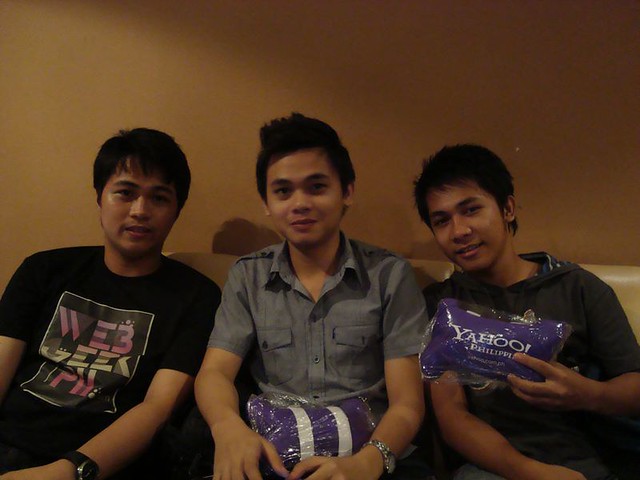
The first event had Jay Fajardo from ProudCloud speaking, and Jonas de los Reyes from Yahoo Philippines. This was late 2009. I barely knew either of them. I just asked, and they said yes, which told me more about the scene than any plan would have.
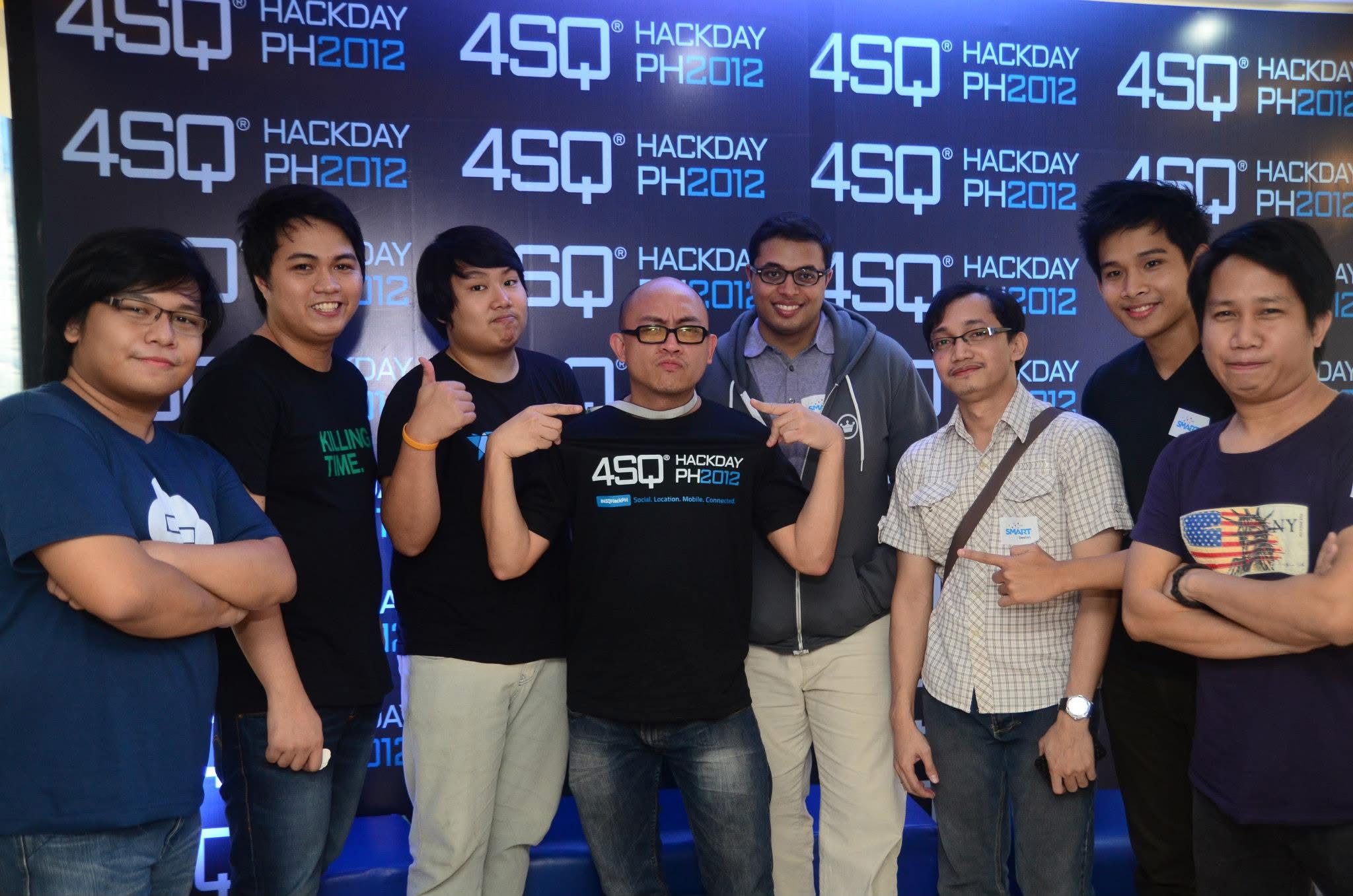
Over time that turned into a full community and blog portal, a forum, and a mobile app, each rebuilt as the group of people using it grew and asked for more. I ran meetups and hackathons for anyone who wanted to learn, build, or ship something.
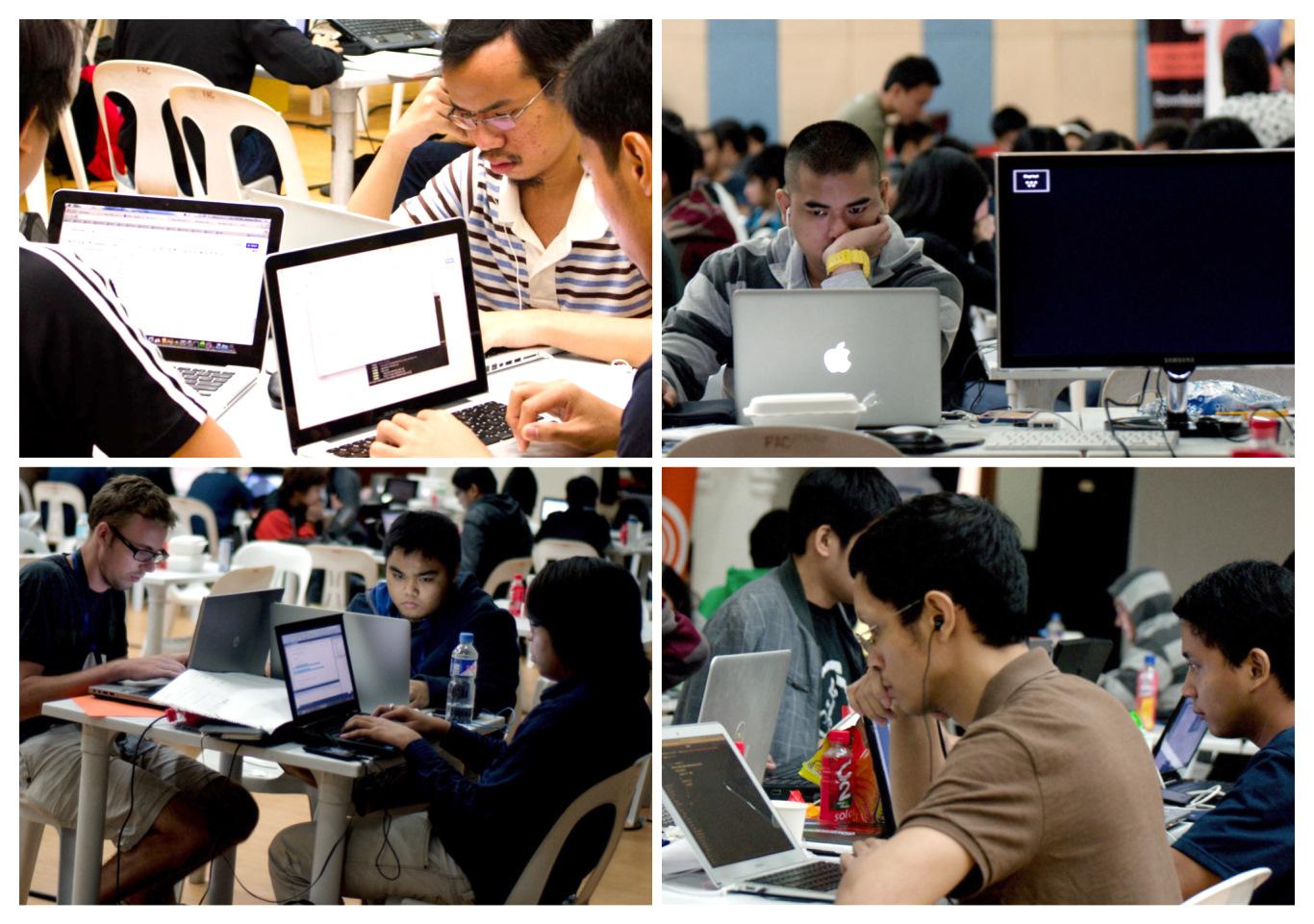
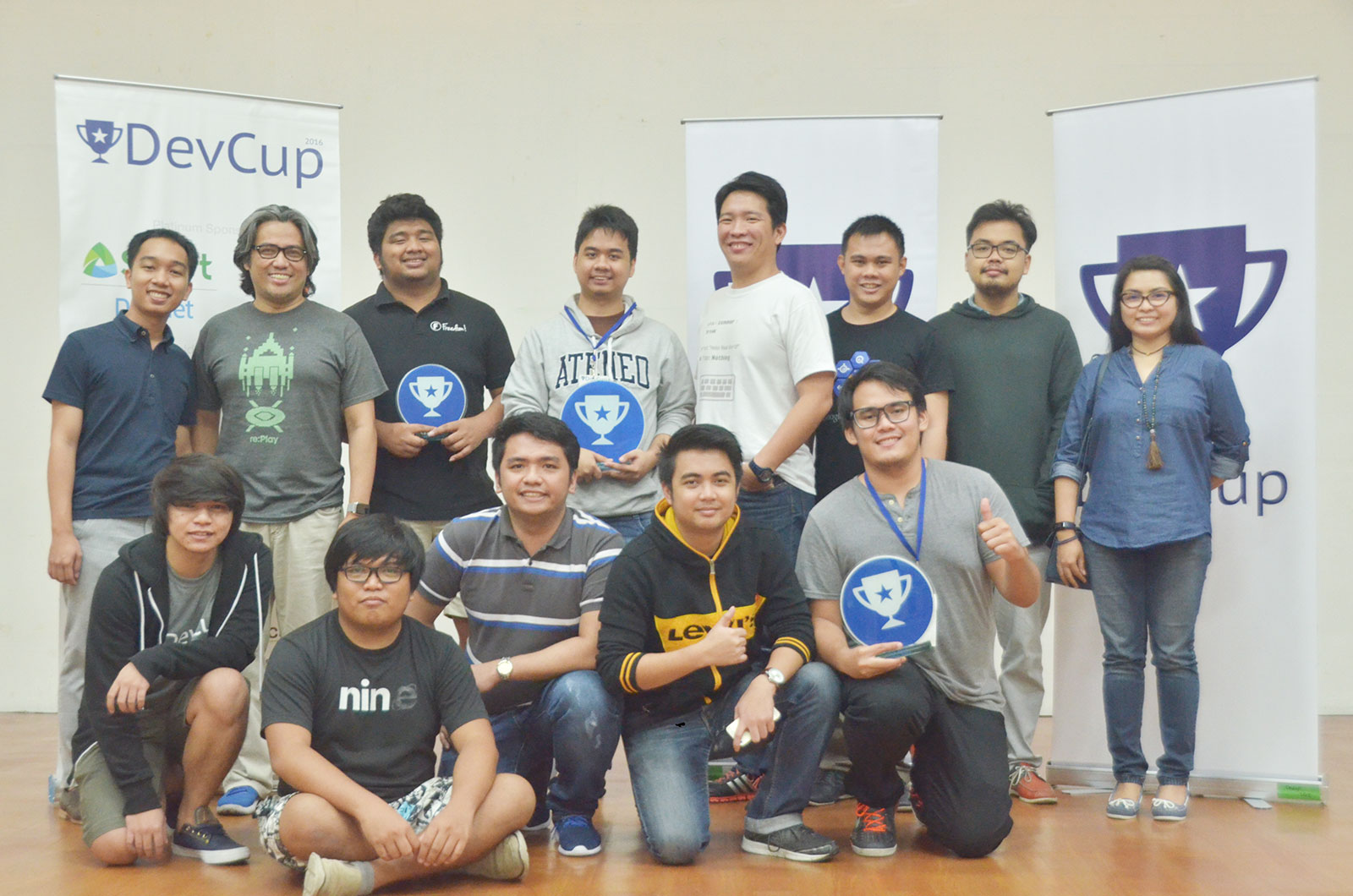
The flagship was WebGeek DevCup, a weekend hackathon that ran every year from 2012 to 2016. Teams got a theme at the start, two days to build, and no shortcuts, everything had to be written during the event, judged on code, product, and idea. A different theme each year, Solve a Filipino Problem, Development, Insight, Connect, Automate, so the same working developers kept coming back to build something new instead of polishing the same idea. Over five years, that added up to 700+ participants and 180+ apps shipped in 15+ award categories.
What it turned into
The community grew into a home for Filipino developers and designers, a place to learn, build, and meet people further along than you. That was always the point, help the next person get unstuck faster than I did.
I wasn't doing it alone for long. Michael Marin came in and ran operations, the meetups, the hackathons, the outreach to sponsors and partners. Alvin Chan was at most of our events, hands on, making them happen. A community is one person's idea until other people decide to carry it.
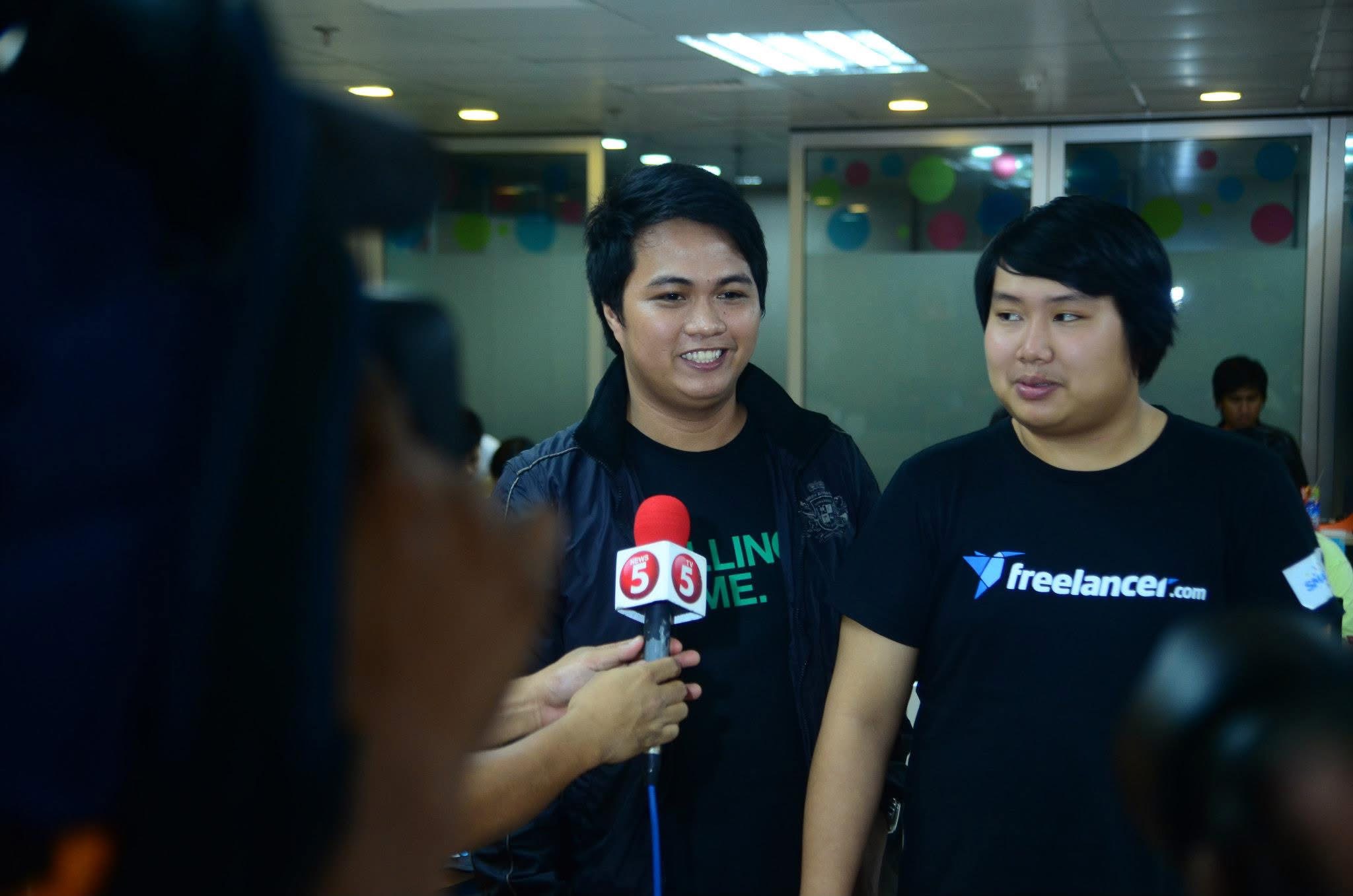
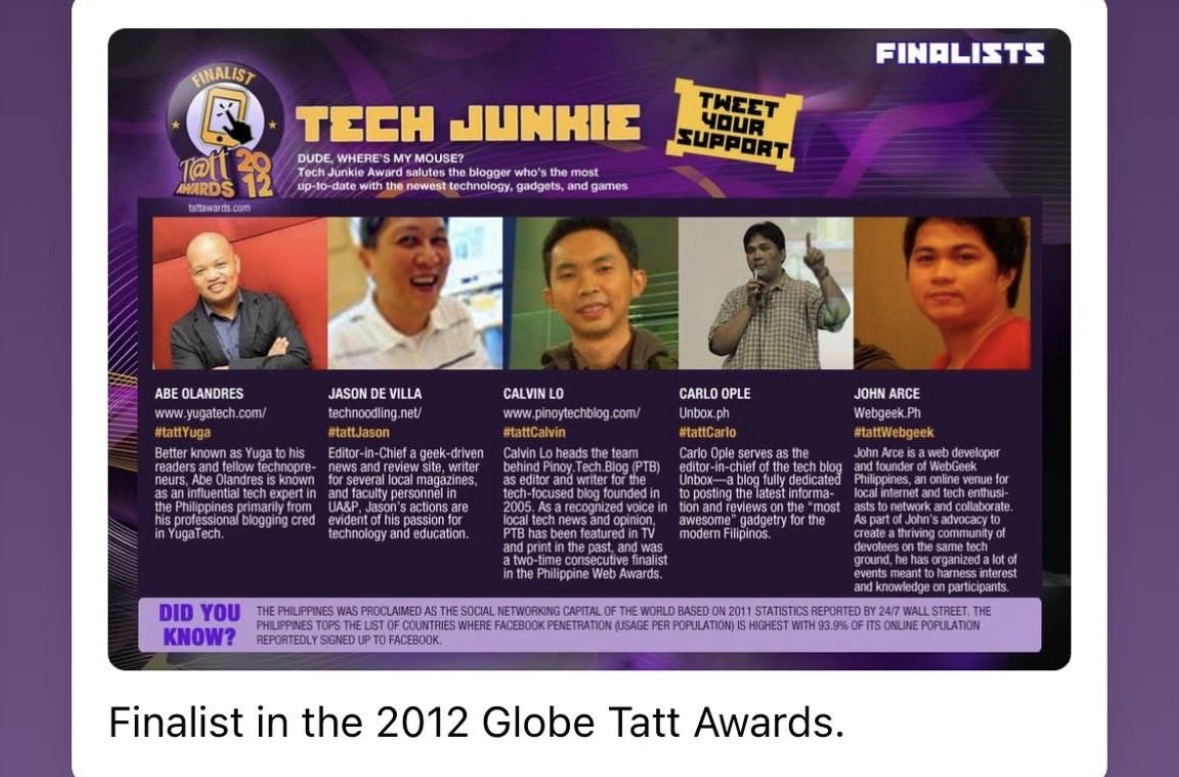
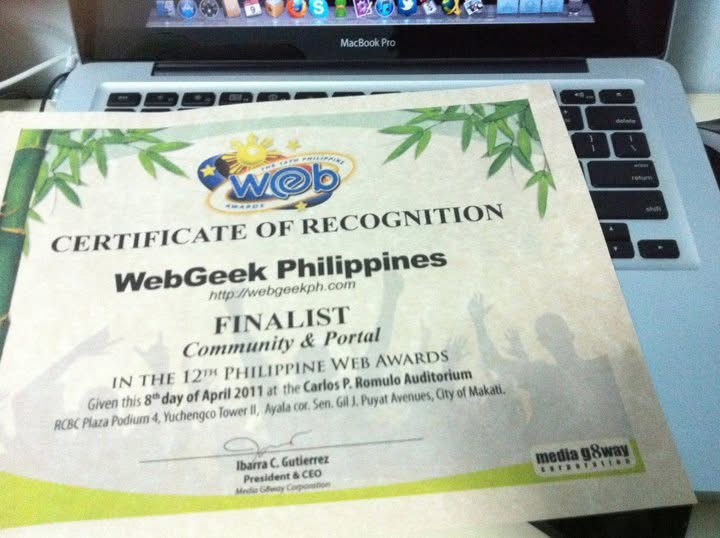
Local companies, universities, and media outlets started reaching out on their own. A few tech outlets covered the DevCup as it grew, not because we pitched a story, but because developers were shipping real tools:
- Tech in Asia covered the DevCup as it set out to bring Filipino developers together around a shared build.
- TechNode wrote about the hackathon format when it first launched.
- GMA News reported on the team that took the top prize with a collaborative programming tool.
A few other regional outlets, When in Manila, Digital News Asia, and Yahoo News, covered it too over the years. None of it was the goal. It was proof the people in the room were building things worth writing about.
The part I actually cared about
None of the coverage or the partnerships were the goal. They were proof the community was reaching people, that someone who showed up to one meetup could end up leading the next one, that a developer who didn't know where to start could find a team at a hackathon and finish a project.
That's the part I'd want anyone reading this to take from it. If you're building something for other people, the mentions and the partnerships show up later, as a side effect, not as the plan.
The friends who stayed
Most of what I got from WebGeek wasn't the coverage or the events. It was the people. Jesse Panganiban, Barry Lavides, JanJan Capili, Ken Daganio, Adrian Peterson Co, Ben Adrian Sarmiento, Nikko Bautista, Glen Macadaeg, these are lifelong friends, not just attendees. We showed up for the community, and we stayed friends because of it.
Key takeaways
- Start with the room, not the website. The site is just a place to put what already works in person.
- Cold outreach works when you're not selling anything. I wasn't pitching a product, I was inviting people to something useful.
- Recognition follows usefulness. Every mention or partnership came after years of people showing up, not before.
- Build the thing that helps the next person start faster than you did. That's the only metric that held up over time.
What I'd tell myself then
Keep a record. I didn't document most of it well because I didn't think it mattered yet. Every system I build now, content, affiliate sites, AI workflows, I write down as I go. This taught me the receipts matter later, even when they feel irrelevant at the time.
I eventually moved on to a crypto-fintech startup that needed someone to build its marketing from nothing. Different industry, same instinct: find the people who need help, show up for them consistently, and let everything else follow from that.
Want this built for your team?
I design AI agents and growth automation that run without babysitting. If that sounds useful, let's talk.
Get in touch →