I manage five websites that currently earn, publish most weeks, and train four to five days a week, solo. No team, no VA, no agency behind me. People assume that means I'm drowning. I'm not, and the reason is simple: I only do the work that needs a human, and I hand the rest to AI.
Here's the actual stack, the daily habits, and the exact line where I stop doing something myself.
Why I work this way
Working alone has one hard constraint, there is exactly one of me. Every hour I spend on something a machine could do is an hour stolen from the things only I can do: judgment, taste, relationships, deciding what to build next. So my whole system is built around protecting that small pool of human hours.
Naval's framing nails it: the win is permissionless leverage. Code and agents work while I sleep, with no one's sign-off. So instead of trading hours for output, I try to productize myself, turn what only I know into systems that run without me in the room.
If a task is repeatable and judgment-light, it gets automated or handed to AI. If it needs taste, a decision, or my name on it, I do it myself. Everything sorts into those two buckets.
The tools I actually pay for
Not a wishlist, the short list I'd repurchase tomorrow:
- Claude, my main thinking and building partner. Drafting, refactoring, research, and most of my automation logic runs through it.
- Astro, every site is static. Fast, cheap to host, nothing to babysit at 2am.
- n8n, self-hosted automation. The glue between my sites, my data, and the AI calls.
- DigitalOcean, my VPS where n8n lives. I've been on DigitalOcean for 12+ years; it's the one piece of infra I never think twice about.
- Cloudflare Pages, deploy and forget. Free tier covers more than I need.
- Zed, where I write code. Fast, quiet, AI built in where I want it.
- Ghostty, my terminal. Most of the operation runs from a command line, so the terminal matters more than people think.
- Ollama (local LLM for the work I don't want leaving my machine) quick drafts, private data, offline tinkering.
- Google Workspace, mail, docs, the boring backbone everything else plugs into.
- Obsidian, where I think before I build. Plain markdown, mine forever.
That's the whole operation. Boring on purpose. Every time I've added a flashy "productivity" app on top of this, it became overhead I later deleted.
What I outsource to AI
The honest breakdown of what's left my hands entirely:
- First drafts. AI writes the rough version from my outline. I rewrite for voice, but starting from a draft instead of a blank page saves me hours every week.
- Research synthesis. Instead of reading 15 tabs, I have AI pull and summarize, then I verify the claims that matter.
- Repetitive code. New page from an existing template, schema markup, boilerplate components, described, not typed.
- Content localization. Adapting a page for a new market used to be a full day. Now it's a reviewed pass.
Most of it runs without me opening anything. A scheduled n8n flow kicks off the pipeline and I review the output, not the process. A stripped-down version of the trigger looks like this:
// n8n function node, fan out a topic into draft + schema
const topic = $json.topic;

const draft = await claude({
  model: "claude-sonnet-4-6",
  system: "Write in John's voice. Answer-first. No AI clichés.",
  prompt: `Draft a 900-word post on: ${topic}`
});

// I review the draft before anything publishes
return { draft, status: "needs_review" };
AI never publishes unreviewed. Every draft hits a needs_review gate and waits for me.
Automating the work is fine. Automating the judgment is how you ship garbage with
your name on it.
What I refuse to outsource
Equally important, the things I keep, on purpose:
- What to build next. Strategy is the whole game when you're solo. No AI gets a vote on direction.
- Final voice pass. The reason anyone reads me is that it sounds like me. AI gets me 80% there; the last 20% is the point.
- Relationships. Replies, calls, partnerships. People can tell when a human didn't show up.
- The training. Can't outsource a run or a heavy squat. Turns out that's a feature, it's the one block of the day with no screen.
What I'm exploring right now
The stack above is settled. The edges are not. I test new AI tools most weeks, because the cost of falling behind as a solo operator is higher than the cost of an hour spent kicking tires.
- Hermes Agent, poking at it for autonomous task runs, seeing where it fits next to my n8n + Claude setup.
- Ollama models, pushing more private and offline work onto local LLMs instead of always reaching for an API.
- ElevenLabs, testing text-to-speech and voice cloning. Honestly not a fit for my use case yet, but I think there's something to build with it soon, so I'm keeping it warm.
This habit is also why I'm building AIPriceRadar.com, a review and pricing site for AI tools. The tools I test feed the site, and the site forces me to actually form an opinion instead of collecting tabs.
The habits that hold it together
Tools don't run themselves. Three habits keep the whole thing from collapsing:
One deep block a day. Two to three hours, no notifications, on the one thing that needs my brain. Deep work is the whole game when you're solo, it's where flow state lives, and it's the work AI can't do for me. Everything else fits around it.
Review, don't produce, in the afternoon. Mornings I create. Afternoons I check what the automations produced and approve or reject. The automations buy back my time; I spend it on judgment, not busywork. Different energy, different job.
Training breaks the day in half. Four to five days a week, running plus strength work. It's not a reward for finishing; it's the reset that makes the second half of the day usable. Skipping it costs me more than the hour it takes.
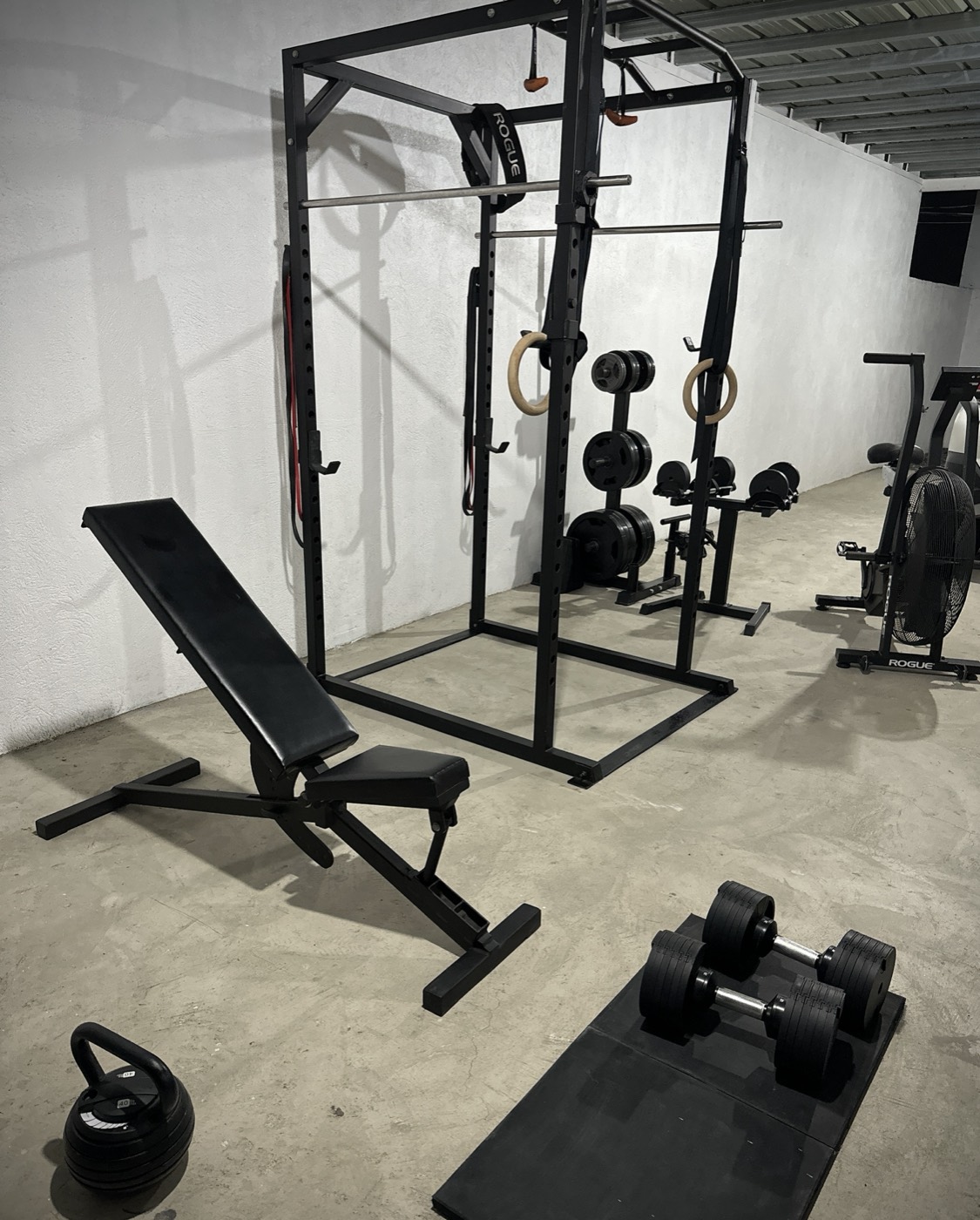
I run with the Runna app, it gives me a structured plan so I don't have to think about what today's session is, same logic as automating a workflow. For strength I run Mark Rippetoe's Starting Strength: a handful of compound lifts, slow linear progression, nothing clever. Both follow the same rule as my work, simple system, repeated, tracked.
If you want a structured running plan without building one yourself, my Runna referral code is RUNNAQNN2THG, drop it in at signup.
Working alone isn't about doing everything yourself. It's about being ruthless about what only you can do.
Key takeaways
- Sort every task: repeatable goes to AI, judgment stays with you.
- A small, boring toolset you fully use beats a big one you half-use.
- Automate the work, never the review. Keep a human gate before publish.
- Protect strategy, voice, and relationships, those are the moat.
- Build daily habits around your energy, not your to-do list.
What I'll do next
I'm pushing more of the research and localization steps into fully autonomous agents, so my role shifts further toward approving and deciding rather than doing. The goal isn't to remove myself, it's to make sure the only thing left on my plate is the work that actually needs me.
Want this built for your team?
I design AI agents and growth automation that run without babysitting. If that sounds useful, let's talk.
Get in touch →